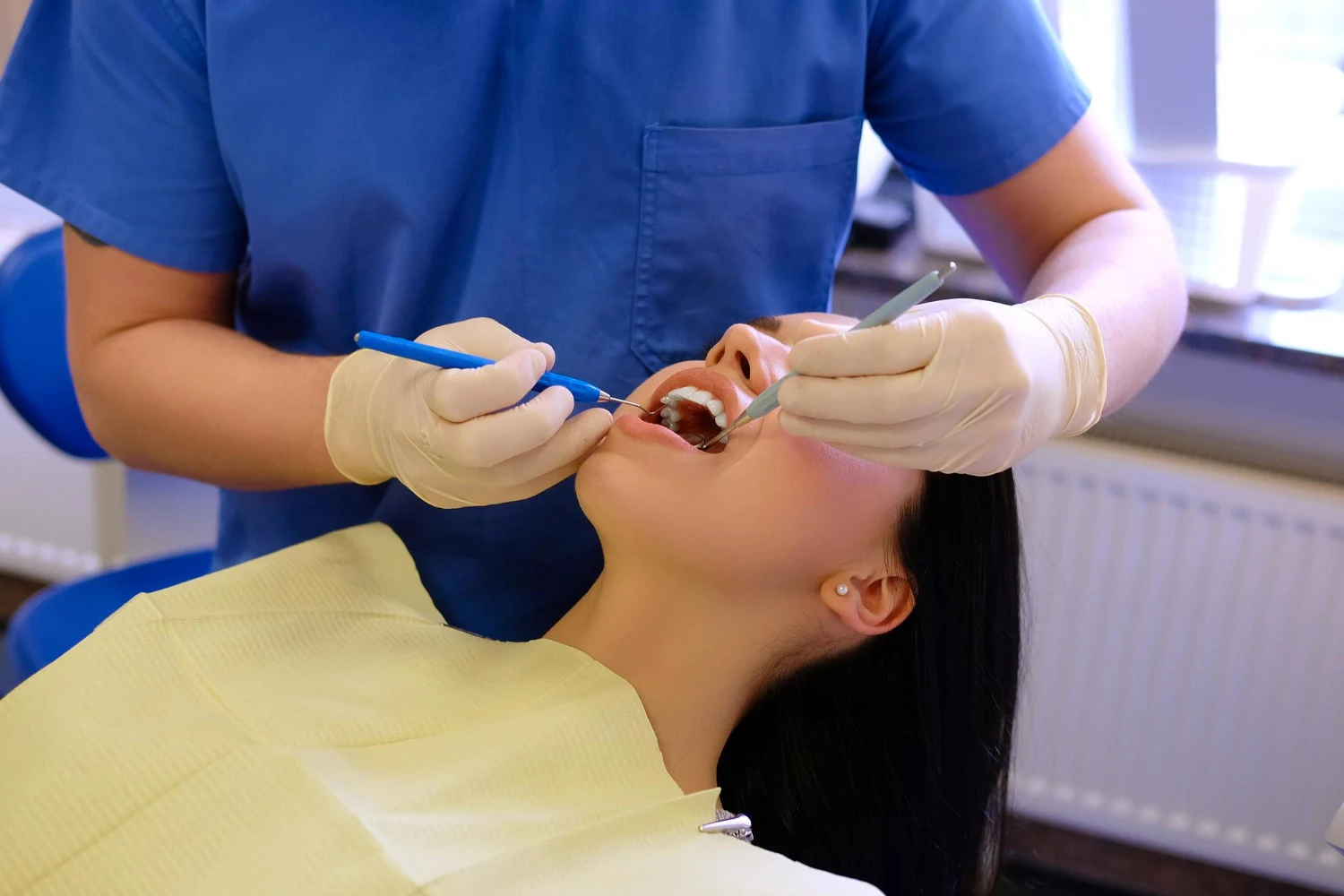
The secret to a great dental visit isn’t just what happens in the chair; it is how you take care of yourself afterward.
Whether you are getting an implant or having a tooth pulled, knowing how you will feel each day helps you stay calm. Many people who get cosmetic dentistry in Fruit Cove find that knowing the healing steps makes the whole process much easier.
By following a few simple rules, you can protect your mouth and get back to your normal life with a healthy, happy smile as fast as possible.
What Should You Do On The Very First Day?
The first 24 hours are all about letting your mouth start to heal. You need to be very careful not to use straws, spit hard, or smoke, because these things can pull away the healing scab and cause a lot of pain.
If you just saw a dentist in Fruit Cove, they probably gave you some gauze to bite on to stop any tiny bits of bleeding.
Rest is the most important thing today. Keep your head up on some extra pillows and stick to cold, soft foods like yogurt or applesauce to keep the area quiet.
How To Handle The Swelling On Days Two And Three?
Days two and three are usually when your face might look a little puffy or bruised, which is a normal way for your body to heal.
To help with this, use an ice pack on the outside of your face for twenty minutes at a time. Many people looking for cosmetic dentistry near you are surprised to learn that after the first two days, switching to a warm cloth is actually better to help the blood flow and speed up healing.
Your jaw might feel a bit stiff, so keep eating soft foods like mashed potatoes or warm soup.
What Does The Middle Of The Week Look Like?
By days four through seven, the soreness should start to go away. This is when you can start eating slightly thicker foods, like scrambled eggs or soft pasta.
Following a step-by-step oral surgery recovery process with minimal complications means you should still take it easy and not go for a heavy run or lift big weights quite yet.
You should also start rinsing very gently with warm salt water after you eat to keep the area clean without using any harsh mouthwashes from the store.
Your Healing Week At A Glance
This table shows what your body is doing and what you should eat during the first week.
| Day | What is Happening | Activity | Best Foods |
| Day 1 | A healing scab forms | Rest in bed | Yogurt, cold juice |
| Days 2-3 | Most swelling happens | Take it easy | Smoothies, pudding |
| Days 4-5 | Skin starts to knit together | Light walking | Soup, mashed veggies |
| Days 6-7 | Stitches might dissolve | Light chores | Eggs, soft pasta |
| Day 10+ | The hole closes up | Back to normal | Most regular food |
Why is Careful Healing Important For Your Looks?
After the first week, you want to make sure your smile looks as good as it feels.
For people getting cosmetic dentistry in Fruit Cove, this middle stage of healing is very important for how the gums will eventually look. It is vital to keep the area clean so germs don’t cause the gums to shrink or heal weirdly.
Taking good care of yourself during the second week helps your gums settle into a pretty, natural spot around your new dental work, making everything look seamless.
Simple tips for a faster recovery
- Drink Lots of Water: Just remember not to use a straw for the first week.
- Salt Water Rinse: Tilt your head to let the water move instead of swishing hard.
- Avoid Crunchy Food: Stay away from chips, popcorn, or nuts for at least two weeks.
- Be Gentle: Brush your other teeth normally, but stay away from the sore spot.
How To Get The Best Help While You Heal?
Having a team you can call with questions makes the whole week much less stressful.
Choosing a dental office near you means that if you are worried about a stitch or a weird feeling, you can drive over quickly to have it checked. A local team can give you peace of mind by making sure your healing is on the right track.
They can also give you special cleaning tools that are safer to use on your new smile than the ones you find at a regular pharmacy.
When Should You Call For Help?
Most people heal up just fine, but you should know when to ask for extra help. If you get a fever, a very bad taste that won’t go away, or if the pain gets much worse after the third day, call the office right away.
These can be signs of a small infection that is very easy to fix if caught early. The goal is to have a smooth and easy recovery so you can enjoy your new smile without any long-term problems.
Get Back To Your Best Smile
We want you to feel comfortable and happy through every step of your dental journey.
At Switzerland Dental, we are here to give you all the help and care you need to heal without any stress. Our team is always ready to answer your questions and make sure your smile looks and feels great. We can’t wait to see you back to your normal self!
Call us right now to book your visit, reach out today and let us help you on your path to a full recovery!
Your path to a healthier smile begins here – click for easy directions to Switzerland Dental.
Frequently Asked Questions
When can I have a cup of coffee?
You can usually have warm coffee after the first day, but make sure it isn’t burning hot because heat can mess up the healing scab. Also, remember not to use a straw, as the sucking move can cause a lot of pain in the surgery spot.
Is a bad taste in my mouth normal?
A little bit of a metallic taste is normal for the first few days while the area cleans itself out. But if the taste is very strong or if your jaw starts hurting more, it is a good idea to let the team take a quick look.
How many days of work will I miss?
Most people only need one or two days off for simple work, but if the surgery is big, you might want to take a long weekend. Listen to your body and don’t go back to a job where you have to talk a lot or lift heavy things too soon.
Will my stitches fall out by themselves?
Most of the time, we use stitches that dissolve on their own in about a week or ten days. If you have the kind that needs to be taken out, the team will have you come in for a very quick, painless visit to snip them about a week after your surgery.