Professional teeth cleaning helps remove plaque and tartar that can lead to cavities and gum disease. Brushing twice a day and flossing daily are important, but they may not remove every deposit from your teeth. A dental cleaning reaches areas that are difficult to clean at home and gives the dental team a chance to check your teeth and gums for early signs of problems. Dental hygiene education in Fruit Cove can also help you understand how daily habits affect your oral health and how to care for your teeth between visits. Although professional cleaning cannot prevent every cavity or case of gum disease, it can lower certain risks when combined with good home care and regular dental checkups.
How Does Professional Teeth Cleaning Protect Your Teeth?
Plaque is a sticky layer of bacteria that forms on teeth throughout the day. When plaque stays on the teeth, the acids produced by bacteria can weaken tooth enamel and contribute to cavities. Plaque near the gums can also cause redness, swelling, and bleeding.
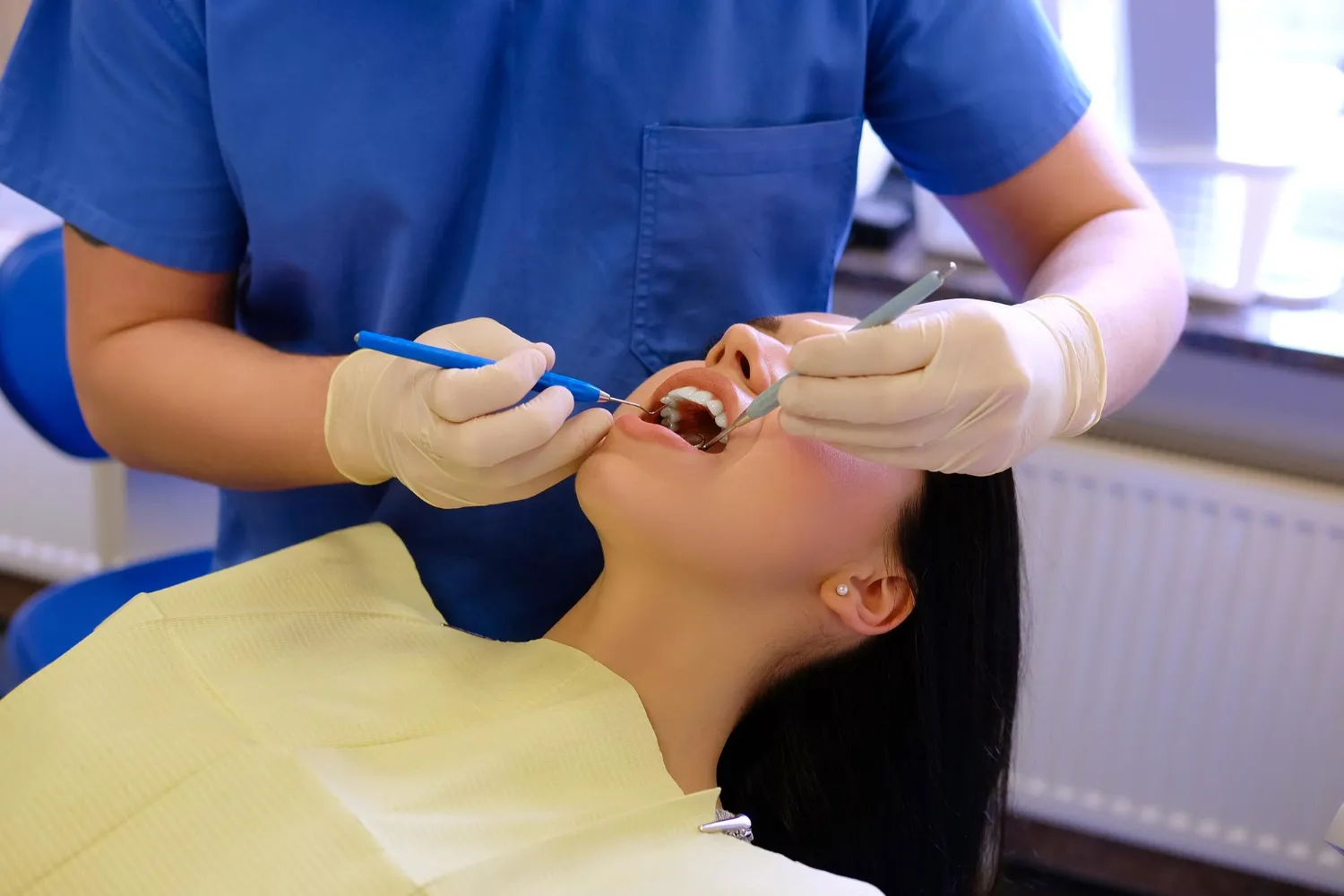
During a professional cleaning, a dental hygienist removes plaque and tartar buildup. Tartar is hardened plaque that cannot be removed with regular brushing or flossing. Removing these deposits helps keep the teeth and gums cleaner.
Here is how professional cleaning supports oral health:
- Removes plaque: Reduces bacterial buildup on tooth surfaces.
- Removes tartar: Cleans hardened deposits that can collect around the gumline.
- Supports gum health: Helps reduce the buildup that can irritate gum tissue.
- Helps spot concerns early: Dental visits can identify signs of decay or gum problems that may need further care.
Can Teeth Cleaning Stop Cavities Completely?
Professional teeth cleaning helps remove plaque, but it cannot completely prevent cavities from forming. Cavities can develop when bacteria make acids that slowly damage the hard outer layer of your teeth. Eating or drinking sugary things often, having a dry mouth, and not getting enough fluoride can increase your risk of cavities.
To lower your risk of tooth decay:
- Brush twice daily with fluoride toothpaste.
- Floss or use another tool to clean between your teeth every day.
- Limit frequent sugary snacks and drinks.
- Drink water regularly.
- Follow your dentist’s advice about fluoride treatments or other preventive care.
Understanding how professional teeth cleaning helps prevent cavities and gum disease can make it easier to build a complete oral care routine. Cleaning removes deposits, while daily habits help control new plaque buildup between appointments.
How Does Professional Cleaning Help Prevent Gum Disease?
Gum disease often starts when plaque builds up along your gum line. Early signs include red or swollen gums, bleeding when you brush, or sore gums. Without proper care, gum disease can get worse and damage the gums and bone that hold your teeth in place.
Professional cleaning removes plaque and tartar from the areas that can be reached during a routine cleaning. If gum disease has progressed below the gumline, a deeper cleaning may be needed. The right treatment depends on the condition of your gums.
Dental hygiene education near you can help you learn how to brush gently along the gumline, clean between teeth, and recognise signs that need attention. If your gums bleed often or remain swollen, arrange a dental assessment rather than waiting for your next routine cleaning.
How Often Should You Get a Professional Teeth Cleaning?
Many people benefit from a professional cleaning every six months, but this schedule does not suit everyone. Your dental team may recommend more frequent visits if you have gum disease, heavy tartar buildup, or a higher risk of oral health problems.
A dentist in Fruit Cove can assess your teeth, gums, and dental history to suggest a suitable schedule. Keeping up with recommended visits helps remove deposits and allows the dental team to monitor changes in your oral health.
What Should You Expect During a Cleaning?
A routine professional cleaning usually includes these steps:
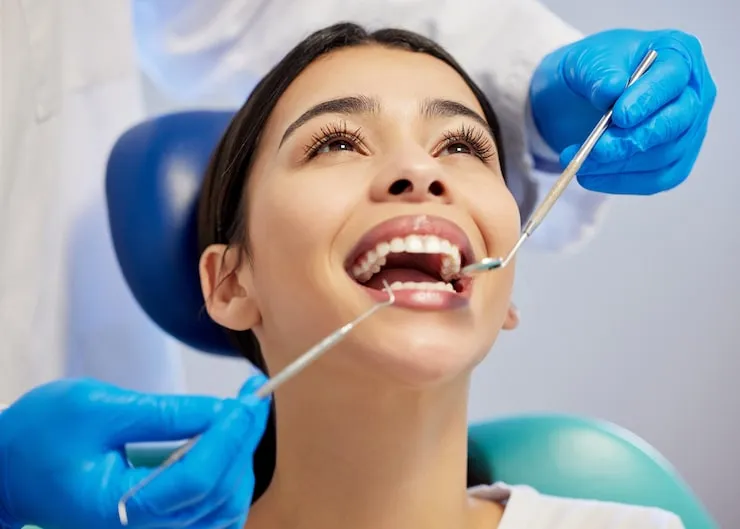
- Oral examination: The dental team checks your teeth and gums for signs of problems.
- Plaque and tartar removal: Special tools remove deposits from the teeth and gumline.
- Polishing: The teeth may be polished to remove some surface stains and leave them feeling smooth.
- Personal care advice: You may receive tips on brushing, flossing, and managing areas where plaque tends to accumulate.
A dental office near you can explain each step before treatment and discuss any concerns, including tooth sensitivity or gum tenderness.
Maintain Healthy Teeth and Gums with Regular Care!
Regular professional cleaning, daily brushing, and flossing work together to support healthy teeth and gums. Switzerland Dental can help assess your oral health, recommend a suitable cleaning schedule, and explain simple steps to follow at home. Book an appointment to discuss your dental care needs and learn how to protect your smile.
Get directions to Switzerland Dental to learn more about professional teeth cleaning and maintaining healthy teeth and gums.
FAQs
How does professional teeth cleaning help prevent cavities and gum disease?
Professional teeth cleaning removes plaque and tartar that can cause cavities and gum problems. Brushing, flossing, and regular dental checkups also help keep your teeth and gums healthy.
How often should I get a professional teeth cleaning?
Many people need professional teeth cleaning every six months. However, you may need it more or less often depending on your gum health, tartar buildup, and risk of dental problems. Your dental team can tell you how often you should get your teeth cleaned.
Can professional teeth cleaning remove plaque and tartar?
Yes. A dental cleaning removes plaque and hard tartar from your teeth. Brushing and flossing help remove plaque at home, but they cannot remove tartar once it becomes hard.
Do I need professional teeth cleaning if I brush and floss every day?
Yes. Brushing and flossing every day are important, but some plaque may stay in places that are hard to reach. Over time, it can turn into tartar. A professional cleaning removes this buildup and helps your dental team check your teeth and gums.