
Did you know that the idea of “tooth worms” causing tooth decay dates back to 5,000 B.C.E.? Fortunately, dental science has come a long way since then. At Switzerland Dental, your local dentist in Fruit Cove, we’re excited to share the fascinating journey of dentistry—from ancient practices to modern advancements—and what the future may hold for your oral health.
In the Beginning
Ancient civilizations had their own methods for treating dental issues. The Egyptians had specialized doctors for teeth, while ancient Chinese texts suggest they used acupuncture to relieve toothache as early as 2700 B.C.E. In 500 B.C.E., Hippocrates and Aristotle described using sterilization and red-hot wires for dental procedures, including stabilizing jaw fractures and securing loose teeth.
The Visionary Thoughts of the 1600s-1700s
The 17th and 18th centuries were pivotal for dental innovation. Charles Allen’s 1695 publication, The Operator of Teeth, was the first English dental textbook. It recommended a homemade toothpaste of powdered coal and rose water and even mentioned wisdom teeth and early dental transplants using dog’s teeth. Pierre Fauchard’s The Surgeon Dentist in the 18th century revolutionized dentistry, introducing concepts such as sugar causing cavities, braces for teeth alignment, and the idea of a dentist’s chair light.
The Progressive 1800s
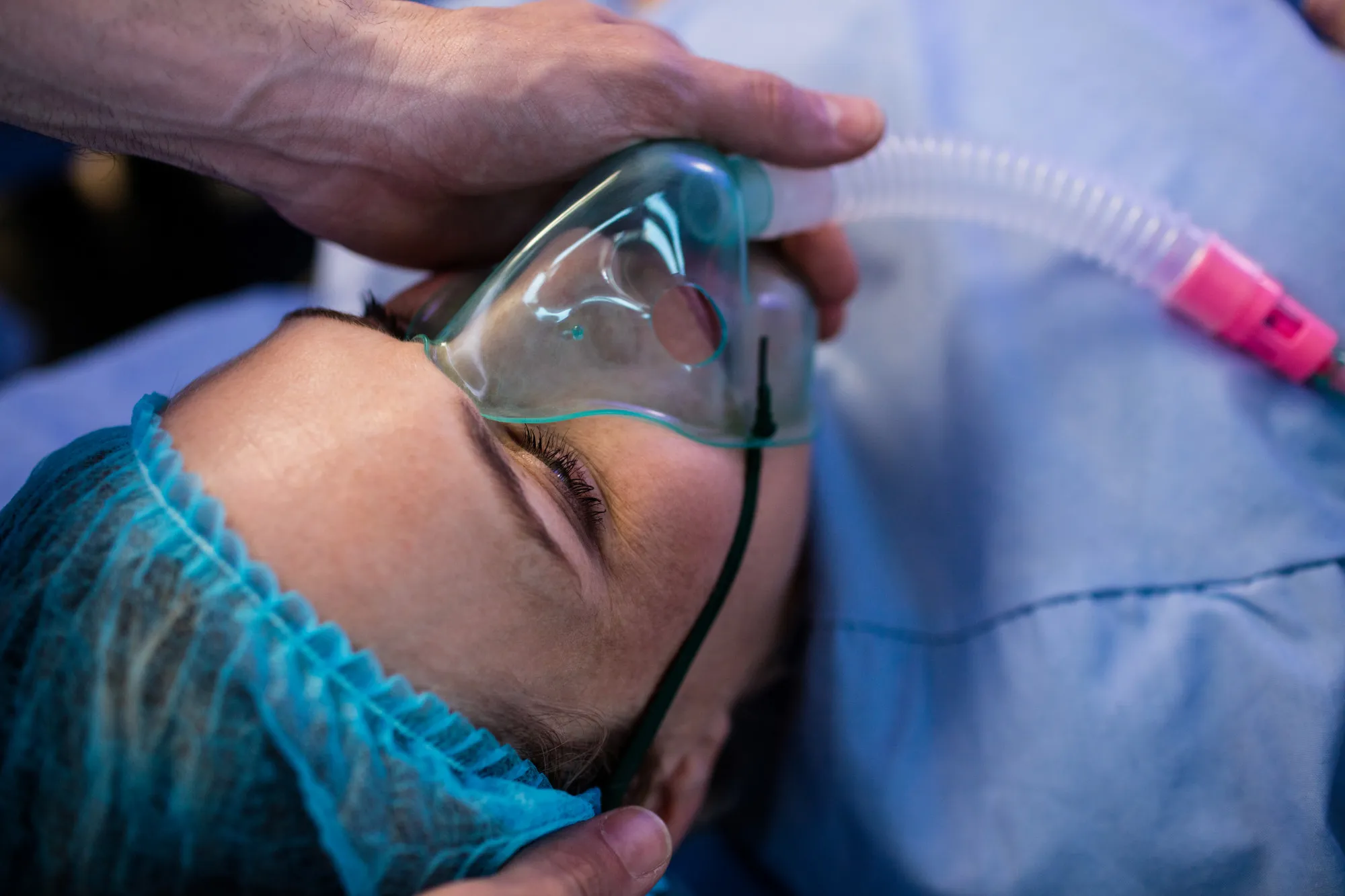
The 19th century brought groundbreaking developments in dentistry. In 1816, Auguste Taveau introduced dental fillings made from silver coins and mercury. In 1840, Horace Wells used nitrous oxide for sedation, and Thomas Morton introduced ether anesthesia for surgeries. Horace Hayden and Chapin Harris made significant contributions by founding the first dental school, creating the modern Doctorate of Dental Surgery, and starting the first dental society. Innovations such as porcelain inlays, the mechanized dental drill, and toothpaste tubes also emerged during this period.
Scientific Advancement of the 1900s
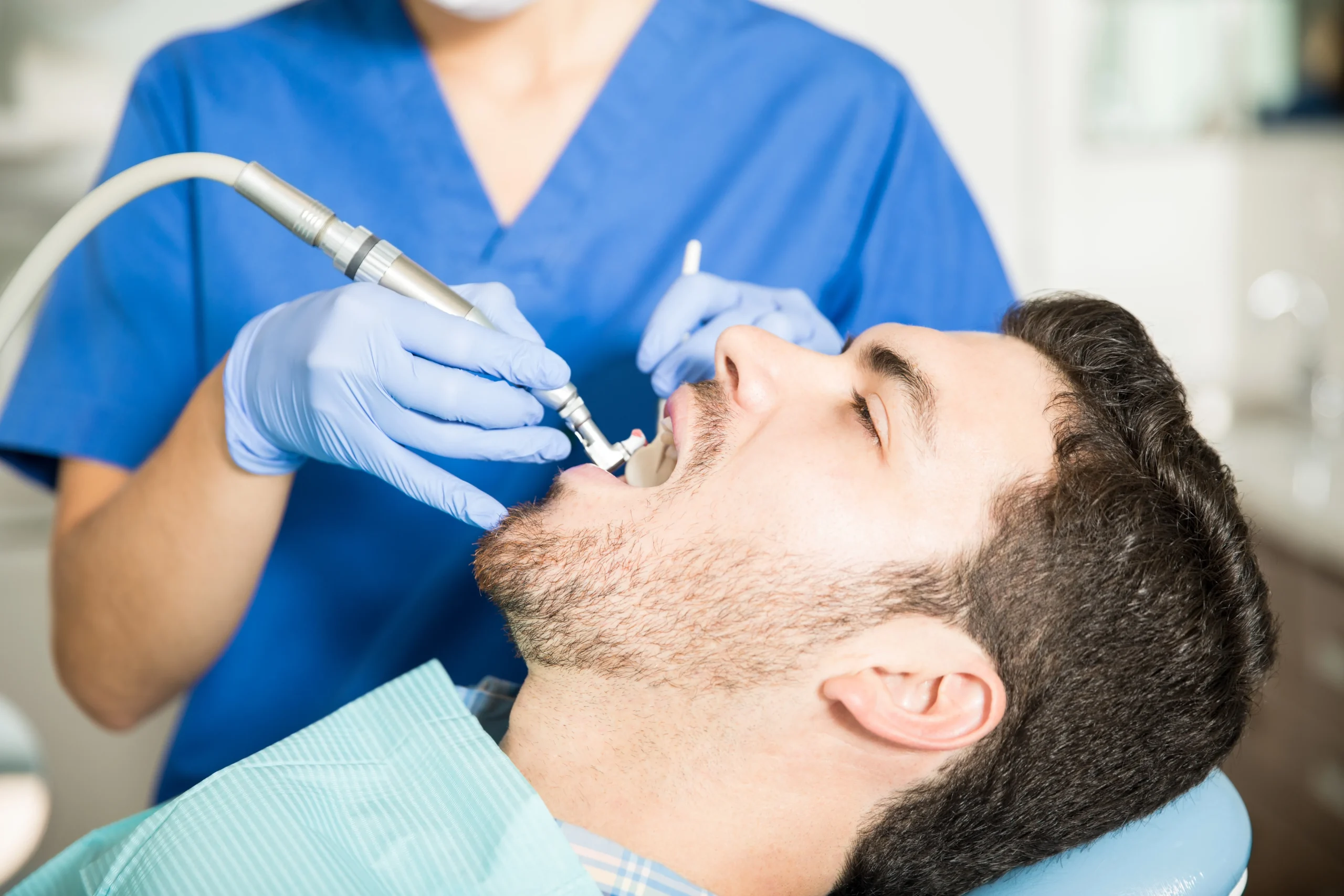
The 20th century saw remarkable progress in dental technology. With the advent of electricity, electric drills became common. In 1907, a “lost wax” casting machine for precision fillings was invented, and Novocain was introduced. Michael Buonocore’s 1955 method for bonding cracked enamel and the introduction of fully-reclining dental chairs in later years enhanced patient comfort and care. The 1990s saw the advent of “invisible” braces and at-home tooth bleaching systems.
What Will the Future of Dentistry Hold?
Today, dentistry is rapidly advancing, with research exploring the connections between oral health and overall health. Innovations such as gene-mediated therapeutics to enhance tooth resistance to decay and techniques to regenerate tooth structures around weakened enamel are on the horizon. At Switzerland Dental, we are committed to adopting the latest effective technologies to provide you with top-notch dental care.
Schedule a visit to Switzerland Dental, and let us show you how modern dentistry can enhance your oral health.