Missing a day of flossing will not cause your teeth to fall out, but poor dental hygiene over time can lead to serious problems. When plaque and bacteria are not removed regularly, they can damage the teeth and gums. This may lead to cavities, gum disease, and, in advanced cases, tooth loss. Understanding how poor dental hygiene can lead to tooth loss starts with knowing how these problems develop. Cavities can weaken the tooth, while gum disease can damage the tissues and bone that hold it in place. The good news is that daily brushing, flossing, and regular dental checkups can help protect your natural teeth and lower these risks.
How Does Poor Oral Hygiene Affect Your Teeth and Gums?
Plaque refers to a sticky substance formed by bacteria on teeth. If you don’t remove it regularly, the bacteria can produce acids that wear down enamel and cause cavities. Untreated decay may spread deeper into a tooth, sometimes leaving extraction as the only option.
Plaque bacteria also produce acids that damage tooth enamel. A small cavity can become a deeper area of decay if left untreated. Severe decay can leave a tooth beyond repair.
Plaque along the gumline can also cause gingivitis, an early form of gum disease. Without proper care, some cases progress to periodontitis. It can harm the bones and tissues that support the teeth. As that support weakens, teeth may loosen and eventually be lost.
What Warning Signs Should You Watch For?
Dental problems do not always cause pain right away. Pay attention to changes such as:
- Gums that bleed during brushing or flossing
- Persistent bad breath
- Red, swollen, or receding gums
- Tooth sensitivity or discomfort when chewing
- A tooth that feels loose
These signs don’t necessarily mean you’ll lose a tooth. Still, they deserve attention before problems worsen.
How Can You Lower Your Risk of Tooth Loss?
Having good dental hygiene in Fruit Cove starts with consistency at home. Brush twice with gold toothpaste and clean between your teeth each day. It’s important not to hurt your gums while brushing, especially near your gumline.
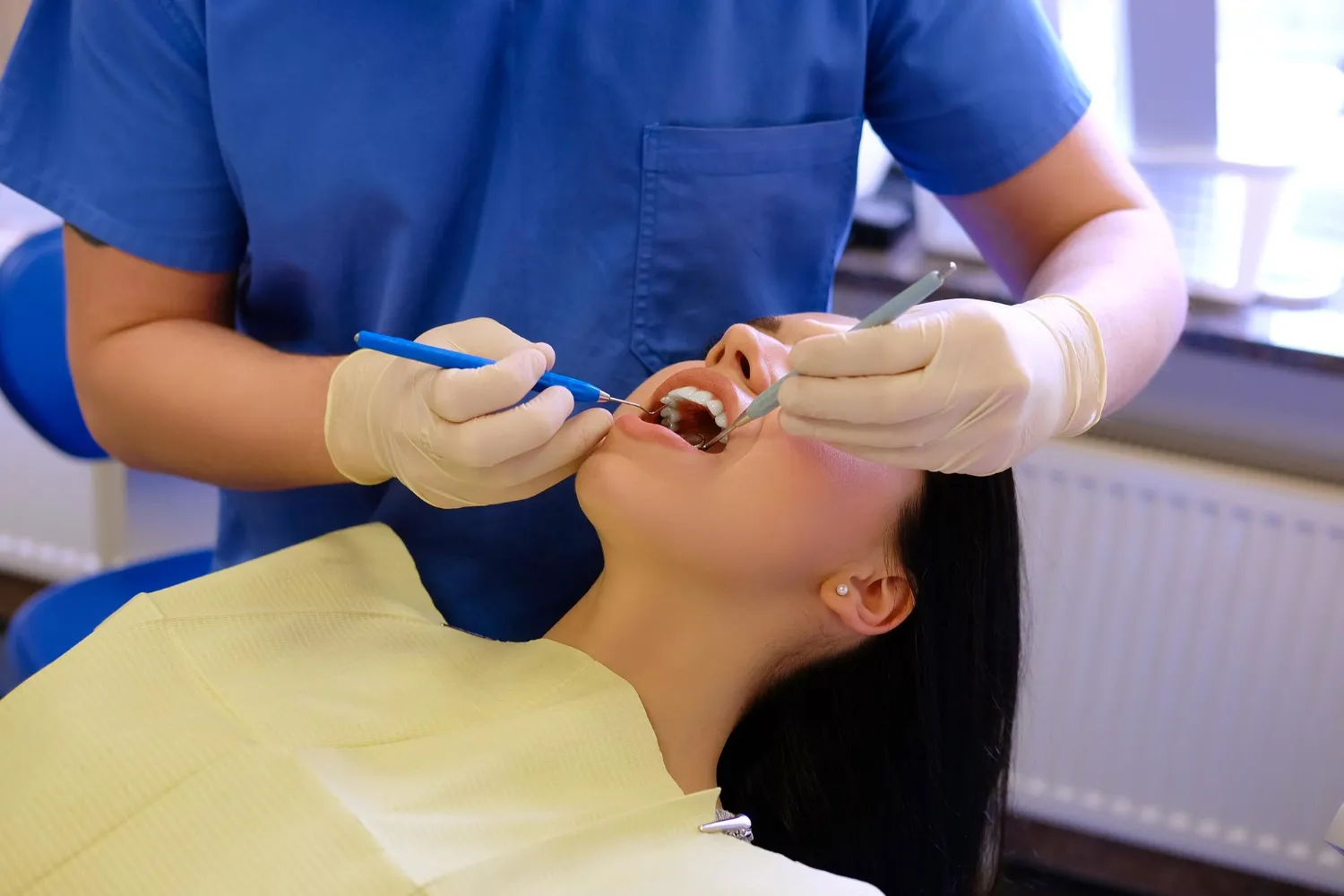
Professional cleanings matter, too. If you’re looking for dental hygiene near you, remember that a cleaning removes hardened tartar that brushing cannot remove. Dental exams also give your provider an opportunity to spot changes before they become harder to treat.
A dentist in Fruit Cove can recommend a cleaning and examination schedule based on your gum health, cavity history, and other risk factors. Visit frequency differs from person to person.
If your gums bleed frequently, chewing hurts, or a tooth feels loose, contact a dental office near you for an evaluation. Waiting for severe pain can allow a treatable concern to progress.
Protect Your Smile With Consistent Care
You don’t have to lose your teeth as you age. Constant care counts. At Switzerland Dental, we help to educate patients about their oral health and make informed choices regarding their preventative care. Our team will arrange an appointment to address all your questions about the condition of your teeth and gums.
FAQs
Can poor dental hygiene cause tooth loss?
Yes, poor oral hygiene can contribute to deterioration and gum disease. An untreated cavity or damage can cause tooth loss and/or require extraction.
How does gum disease lead to tooth loss?
Periodontitis damages the underlying bone and tissues that support teeth. As support is lost, teeth may loosen and may even need to be removed.
Can regular dental cleanings help prevent tooth loss?
They can minimize the risk. The dentist will remove plaque and tartar, and the exam will reveal concerns that need treatment. Daily home care is essential.
How often should I visit a dentist to maintain good oral hygiene?
The right schedule depends on your oral health and risk factors. Your dentist can advise how often you need checkups and professional cleanings.