3D Printing Technology
3D printing is a modern way to make objects by layering material. In the past, things were cut or carved from a large block of material. With 3D printing, we start with nothing and create objects by adding fragile layers one on top of the other. It’s like stacking sheets of paper, but much thinner—so thin you can’t see them with your eyes.
In dentistry, 3D printing is used to produce accurate, custom parts. These include models, surgical guides, splints, and more. A digital scan or design of your mouth is used to tell the 3D printer exactly what to print. This makes the final object fit better and work more reliably.
What 3D Technology Means for You
Earlier Cavity Detection
Finding Hidden Cracks
Protecting Tooth Structure
Stronger, More Precise Restorations
Better Bite Analysis
Support for Overall Health
More Informed Treatment Decisions
In short, this technology supports smarter diagnosis, stronger protection, and long-term oral health stability.
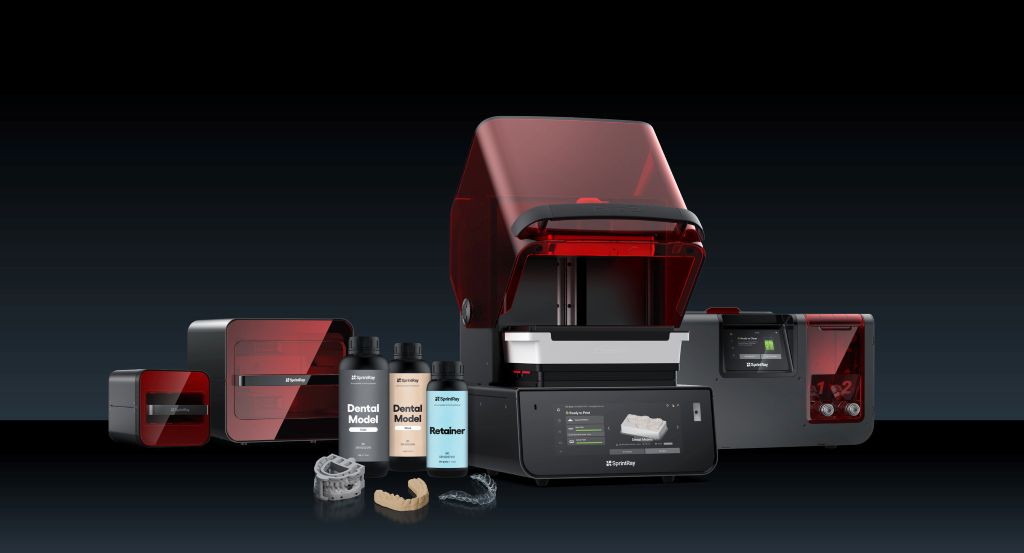
Here's how it works in simple steps:
Digital Scan or Design – First, a scanner takes a digital picture of your mouth or teeth. This creates a precise 3D model on a computer.
Computer Design (CAD) – A technician or dentist uses special software to adjust the digital model and create the exact shape needed.
Printer Setup- The digital file is sent to a 3D printer. The printer prepares a build tray, resin, or printing material, and gets ready to print.
Printing the Object – The 3D printer builds the object by adding tiny layers one at a time. This process can take from a few minutes to a few hours, depending on size and detail.
Post-Printing Finishing – Once printing is done, the object may be cleaned, polished, or cured (hardened further with light). This makes sure the final piece is strong and ready for use.
3D printing helps produce exact parts. This means better comfort and better results for you. It also speeds up the process and often reduces waste.
Post-Procedure Instructions After a 3D Printed Dental Appliance
After you receive a 3D printed dental part, follow these guidelines to keep it working well and to stay comfortable:
Taking Care of Your Appliance
Gently brush the area with a soft toothbrush and water.
Avoid toothpaste with harsh abrasives, as they can scratch.
Always store your appliance in its case, if possible.
Using It Comfortably
Wear the piece as directed.
If it feels too tight or causes irritation, contact your care team right away.
Do not force it into place if it doesn’t fit easily.
Eating and Drinking
Take off detachable pieces before consumption, unless directed otherwise.
After placement, avoid consuming very hot foods or drinks, as heat can alter their shape.
Cleaning and Maintenance
Rinse after each use.
For deeper cleaning, follow the instructions provided.
Avoid strong chemicals unless recommended.
When to Get Help
Call your care provider if you notice:
Persistent soreness or pain
Cracks or breaks in the appliance
Difficulty speaking or swallowing that doesn’t improve
3D printing helps make modern dental care more accurate and customized to you. Following these instructions will help you achieve the best possible fit and comfort.